Everyday Hair Confidence
Hair multi-stylers: which attachments do you actually need?
Drying, smoothing and curling can share one handle, but the right multi-styler depends on your hair length, preferred finish and everyday routine.
By The Colour Edit Editorial Team
Published · 6 min read
Quick answerChoose a hair multi-styler by the styles you regularly wear, not the number of attachments. Airflow models can combine drying and shaping, while interchangeable heated-barrel sets are generally for styling dry hair.
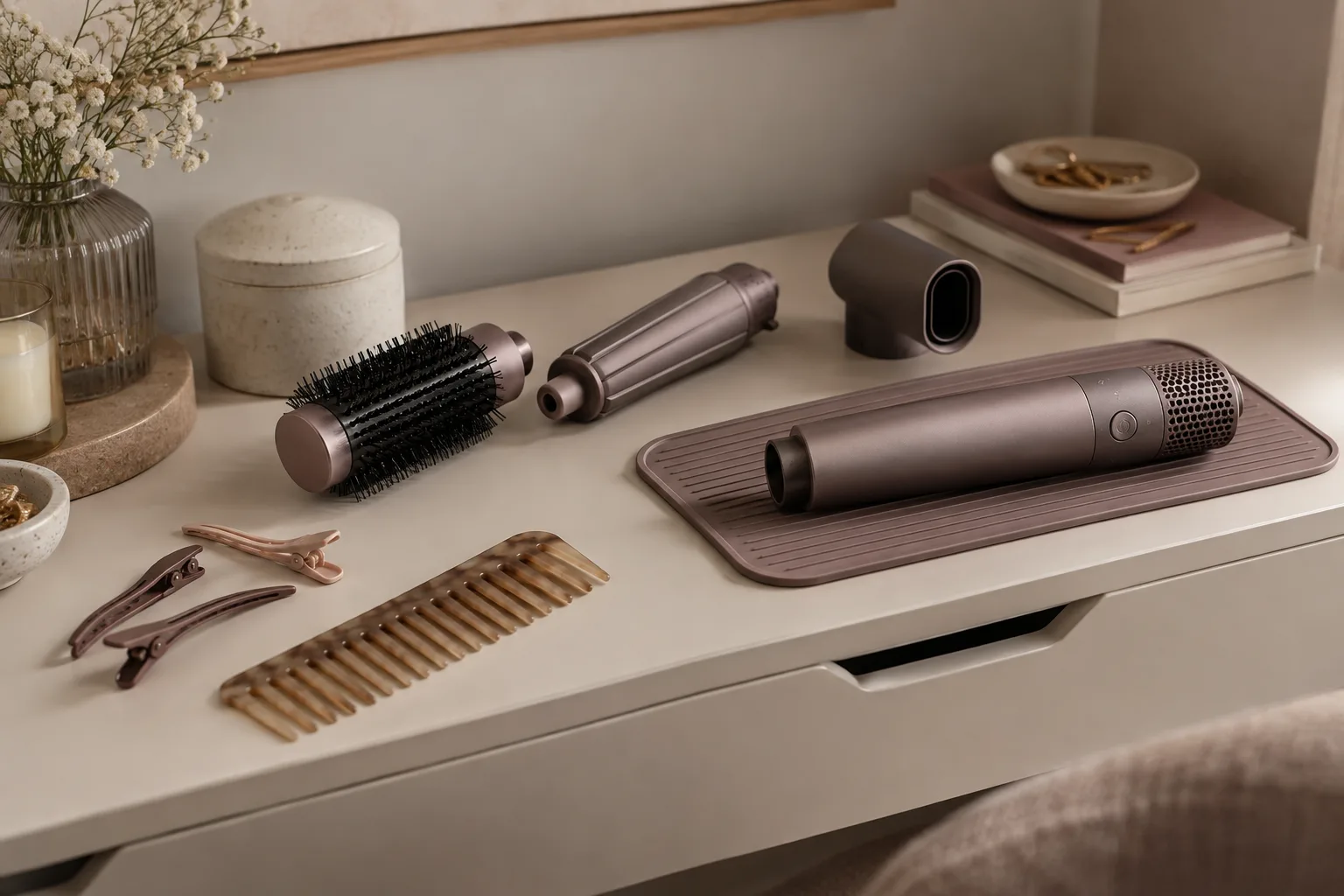
Hair multi-stylers are bringing more of the blow-dry routine into a single appliance, with options that dry, shape curls, smooth lengths and add lift through interchangeable heads. Some combine airflow with heated surfaces; others are essentially curling sets with different barrels. They share a category name, but they do not all replace the same tools.
For Everyday Hair Confidence, our take is straightforward: start with the hairstyle you repeat, then work backwards to the attachment. A useful round brush may matter more than several curling barrels you rarely reach for. And if your main concern is making a parting sit neatly between colour appointments, technique deserves as much attention as the shopping list.
What happened
The category now includes airflow systems with drying, brushing and curling attachments, alongside interchangeable direct-heat tools. Certain systems also offer dedicated wet-to-dry straightening heads. That makes the distinction between the handle and each attachment important: buying one appliance does not mean every head can be used on hair in the same condition.
Some air-curling barrels draw sections of hair around their surface using directed airflow. This reduces the need to wind each section manually, but you still need to separate the hair, position the barrel and follow the recommended sequence. Automatic wrapping is a feature, not a promise of an entirely hands-off blow-dry.
Other attachments pair moving air with heated plates or brush surfaces. Those can offer a different smoothing action from airflow alone. Before buying, check how the particular head works rather than assuming that an appliance described as an air styler has no hot contact surfaces.
Read the attachment list as a routine
Translate each head into a job: a drying attachment removes moisture, a round brush creates bend and lift, and a curling barrel shapes sections into curls or waves. A smoothing brush and a straightening head are not necessarily interchangeable, particularly if you want a very straight finish rather than a soft blow-dry.
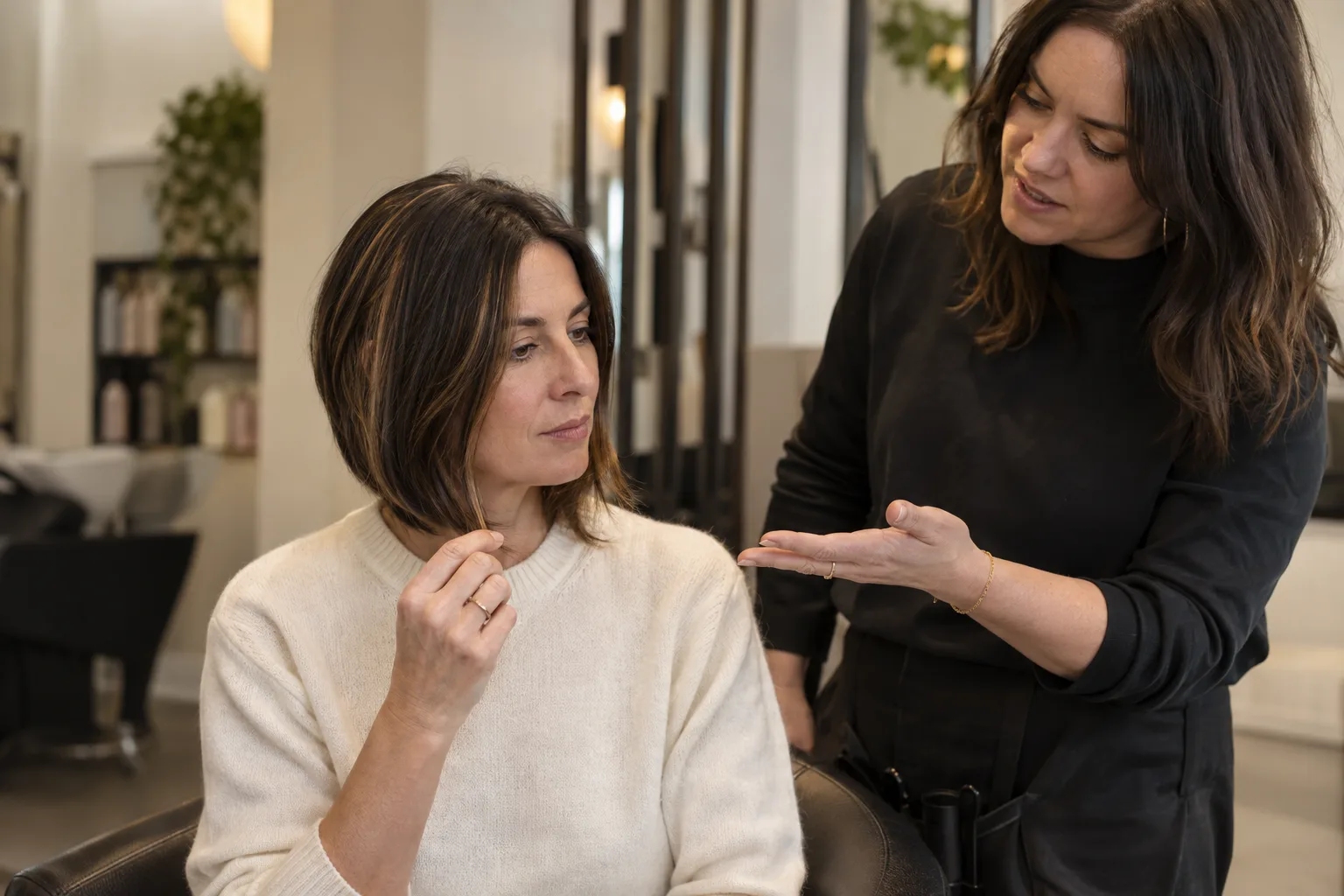
Haircut matters here, too. A large brush can be awkward around short front sections, while longer lengths need enough usable barrel space. Our guide to choosing a bob shape rather than a haircut label follows the same principle: match the practical details to the result you want.
The background
A multi-styler changes the equipment, not the basic demands of heat styling. Detangling, manageable sections and an appropriate starting moisture level still count. Follow the instructions for each attachment; a drying head, an air-curling barrel and a conventional heated wand may require different preparation, even when they fit the same handle.
Conventional heated curling barrels and straighteners should be used on fully dry hair unless explicitly designed otherwise. With an airflow attachment, check how much preliminary drying is recommended. Starting too wet can turn a shaping step into a lengthy drying session; starting too dry may not suit the method specified for that barrel.
Heat protection still belongs in the routine
Use a heat protectant suitable for your hair and the styling method, following its application instructions. It helps reduce heat damage but does not make repeated high-temperature passes harmless. Begin with a lower suitable setting and increase only if needed, rather than treating the maximum as the default.
For coloured hair, keeping unnecessary heat exposure down is a sensible maintenance habit. Avoid repeatedly working over a section once it has the shape you want. If highlights or lightened ends feel rough, ask your colourist to demonstrate a gentler finishing routine rather than assuming another pass will deliver more shine.
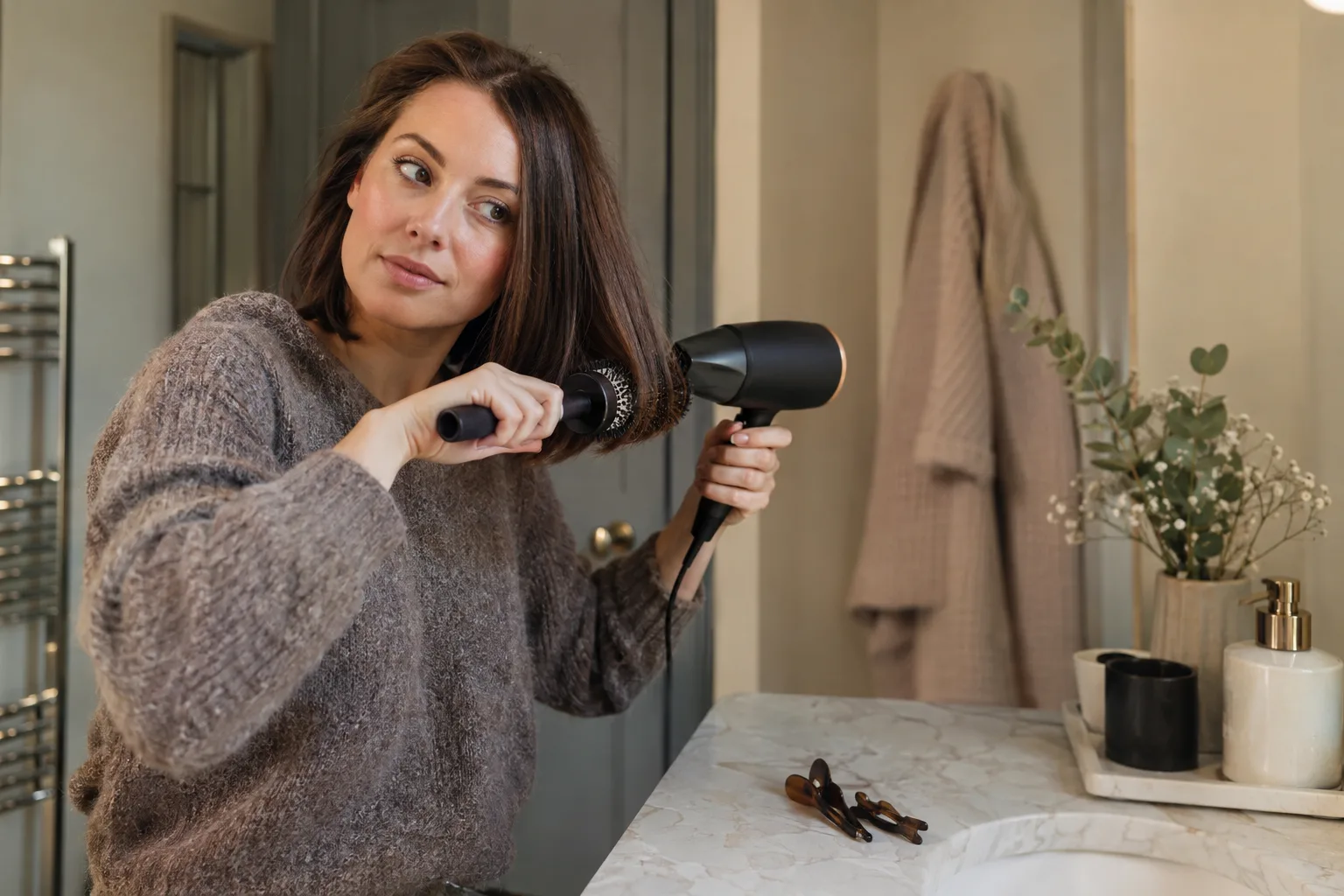
Brush diameter also changes the shape. A smaller round brush generally creates a more pronounced bend, while a larger one suits broader curves when the hair is long enough to wrap around it. Neither automatically delivers more volume: where you place the brush and direct the section matters.
At the crown, lifting a section away from the scalp while drying can help create height. Keep the attachment clear of the skin and avoid holding heat in one spot. For more ways to change the silhouette, our styling ideas for fuller-looking fine hair explain options that do not depend on a new haircut.
Finally, let a newly shaped section cool before brushing it out. Cooling helps the temporary shape settle; immediately pulling through a warm curl can loosen it. Use a cool setting if the appliance provides one and the instructions recommend it, then handle the finished section lightly.
What people are saying
The attraction of the all-in-one idea is easy to understand: fewer separate handles, more styling options. Our view is that convenience should be judged across the whole routine, including changing heads and putting everything away. A collection of loose attachments can still occupy a substantial drawer, even if there is only one power cord.
We would prioritise accessible controls, useful heat and airflow choices, and an attachment that suits your most-worn finish. These are buying criteria, not a product ranking. The biggest bundle is not automatically the best fit, especially if your usual hairstyle needs only a dryer and a brush.
Root lift and root coverage are different jobs
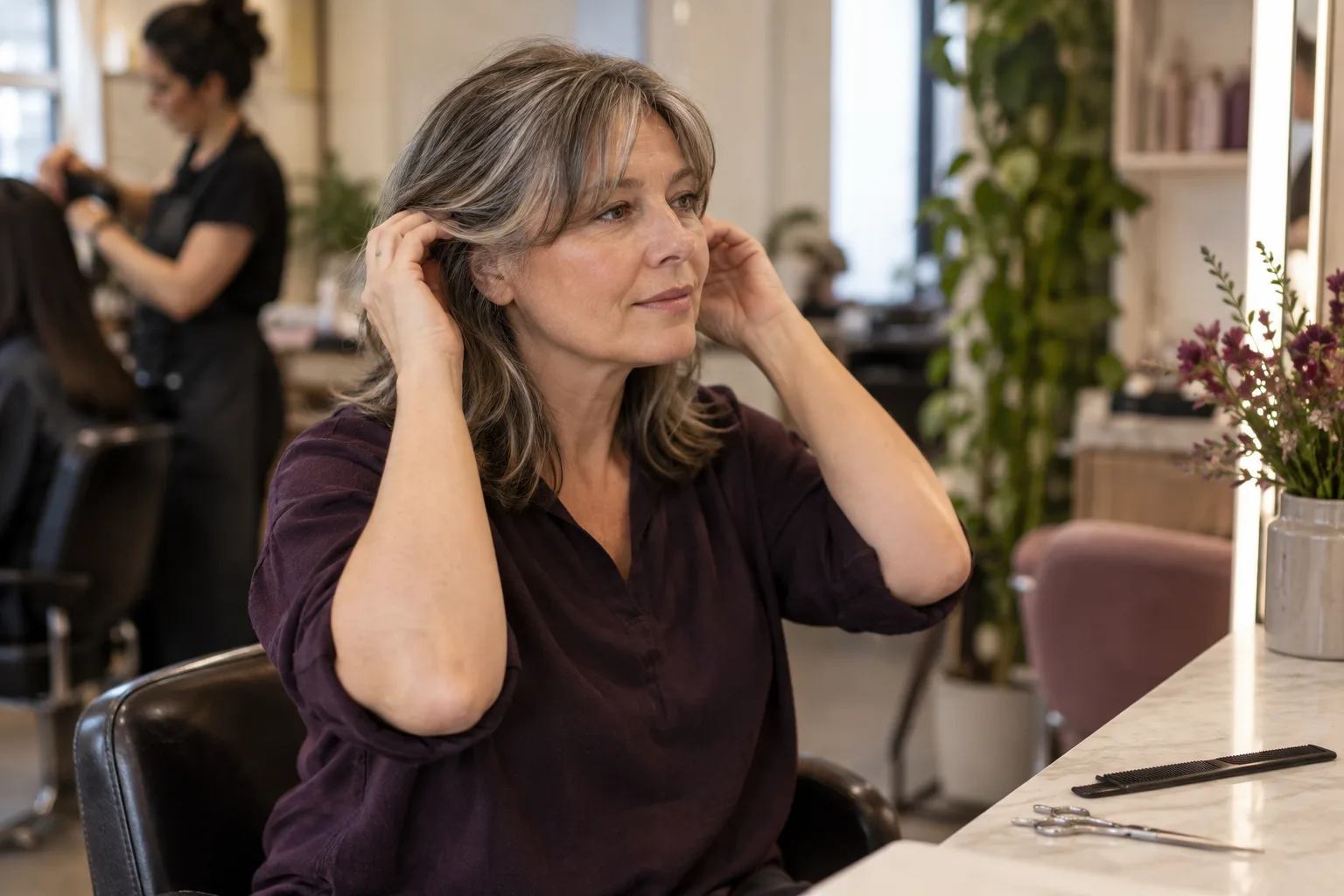
A smoother blow-dry can change how a parting falls, but it cannot colour grey roots. A very straight, precisely drawn parting may make contrasting regrowth easier to see. Moving the parting slightly or giving the surrounding hair a softer bend changes the presentation, not the pigment.
Temporary root powder or spray is a separate cosmetic step if you want coverage. Complete the heat styling first, allow the hair to cool, then apply a concealer according to its directions. Keep sprays away from hot appliances and ignition sources, and observe the precautions on the packaging.
There is no obligation to conceal the contrast, either. Our colour and styling ideas for long grey hair explore working with grey. The useful question is how you want your colour to look with your preferred finish, not how many styling functions you can collect.
What happens next
Before purchasing, identify the task your existing tools struggle with. Is it getting bend into the ends, smoothing the back sections or creating a little crown lift? If the answer is simply that your current equipment looks less exciting, pause. A multi-styler is an option, not an essential replacement for a working dryer and brush.
Check the exact contents of the UK set, along with the warranty, cleaning instructions and returns conditions. Similar-looking bundles can contain different attachments. If you can handle a display model, consider its balance with a head fitted, the position of the switches and how comfortably you can reach the back of your hair.
Electrical compatibility needs a separate check. A plug adaptor does not change voltage, and an appliance bought for another country's supply may be unsuitable for UK use. For travel, confirm the supported voltage range and the manufacturer's guidance rather than assuming a compact handle is travel-ready.
At your next salon visit, ask for a demonstration on the section you find hardest to style. Bring a photograph of the finish you want and ask which brush size, direction and preparation would help. For shorter front pieces, our guide to what to ask for when choosing a fringe offers useful consultation starting points.
Why this matters
For UK readers, the worthwhile purchase is the tool that suits an ordinary morning, not a full menu of occasional looks. Ask your hairdresser to show you one repeatable technique before committing to extra attachments, and check the UK specification rather than relying on overseas listings. If your priority is a fuller-looking finish around the parting, start with these practical styling options for fine hair. You may find that sectioning and brush placement make your existing equipment more useful.
Common questions
- What is a hair multi-styler?
- A hair multi-styler uses one handle with interchangeable attachments for different styling jobs. Depending on the model, these can include drying, smoothing, curling and adding bend or lift.
- Can you use a multi-styler on wet hair?
- Only use it on wet hair if the specific tool and attachment are designed for that purpose. Conventional heated curling barrels and straighteners generally require fully dry hair; airflow attachments have their own preparation instructions.
- Do air stylers need heat protectant?
- Yes, use an appropriate heat protectant when heat styling, following the product instructions. Air stylers can use heated air, heated surfaces or both, and heat protection does not make repeated high-temperature styling harmless.
- Which multi-styler attachment is best for root volume?
- A round-brush attachment can help create lift when you direct sections away from the scalp while drying. Its size should suit your hair length, and the hot attachment should stay clear of your skin.
- Should I apply root spray before or after styling?
- Apply temporary root spray after heat styling, once the hair has cooled, following the packaging directions. Keep the spray away from hot appliances and ignition sources.
- Will a multi-styler hide grey roots?
- No, a multi-styler cannot change the colour of grey roots. Adjusting the parting or adding bend can change how regrowth is displayed, while temporary root concealer provides a separate coverage option.
- Can I use an American hair multi-styler in the UK?
- Only if its stated voltage range and manufacturer guidance allow UK use. A plug adaptor changes the connection, not the voltage, so it cannot make an incompatible appliance suitable.
Sources
This article was written by The Colour Edit using the sources listed above.