Everyday Hair Confidence
Autumn bob haircuts 2026: choose the shape, not the label
Our autumn bob edit starts with everyday styling: the length you can manage, the fringe you’ll actually style and the colour worth keeping.

By Priya Nair, Salon & Beauty Writer
Published · 6 min read
Quick answerAutumn bob haircuts for 2026 span cropped shapes, longer bobs, flicked ends, fringes and side partings. Choose your length around how you wear your hair day to day, then decide on texture, colour placement and styling.
Autumn bob haircuts for 2026 offer more than a choice between short and shorter. The options stretch from compact, textured crops to longer shapes, with flicked ends, light fringes and side partings providing separate ways to change the finish. The useful distinction is between a haircut that changes your length and styling that changes how that length behaves.
For our Everyday Hair Confidence edit, we rate starting with your routine rather than a trend name. If tying your hair back is non-negotiable, that belongs in the consultation before any reference photograph. If you already have a bob, a different parting or finish might deliver the change you want without another substantial cut.
What happened
The autumn 2026 bob edit brings together several different ideas under one heading: shorter silhouettes, relaxed longer outlines and styling details that can work across both. These are not seven mutually exclusive haircuts. A long bob can also have a side parting, a fringe and outward-turning ends.
Keep some length: the lob and dad bob
A lob occupies the space between a conventional short bob and longer hair. It leaves room for rounded blow-dries, loose bends or straighter styling. The dad bob has a weightier, more rectangular outline, falling somewhere between the chin and collarbone. Neither name guarantees enough length for a ponytail: the shortest front sections matter too.
Go shorter: the cropped and French bob
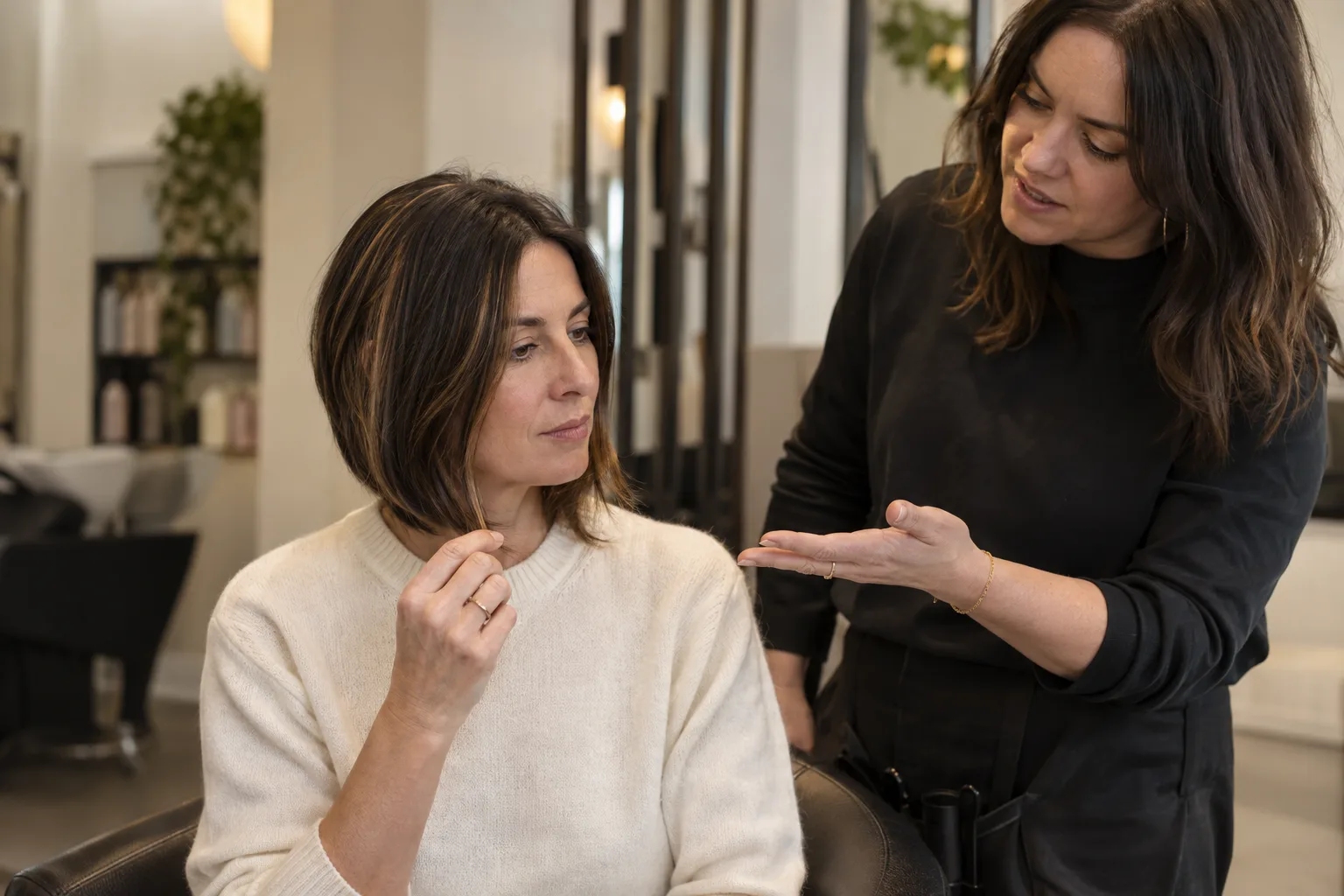
The cropped bob, sometimes called a crob, sits between a pixie and a more conventional bob, with texture and softer ends rather than a rigid perimeter. A French bob takes a different route: typically a compact shape around mouth level, often paired with a fringe. Ask your stylist to demonstrate the proposed length against your face rather than relying on the name alone.
Change the finish: flicks, fringes and partings
The preppy version makes outward-turning ends part of the look. A wispy fringe introduces lighter, separated pieces across the forehead, while a side parting shifts the balance of the whole cut. Each is a detail to discuss separately from length, especially if you like switching between smooth and softly waved styling.
Reference pictures become more useful when you can identify exactly what appeals: the outline, movement or colour. Our two brunette wave looks to take to the salon offer another starting point for that conversation; a wave pattern and a haircut are different decisions.
The background
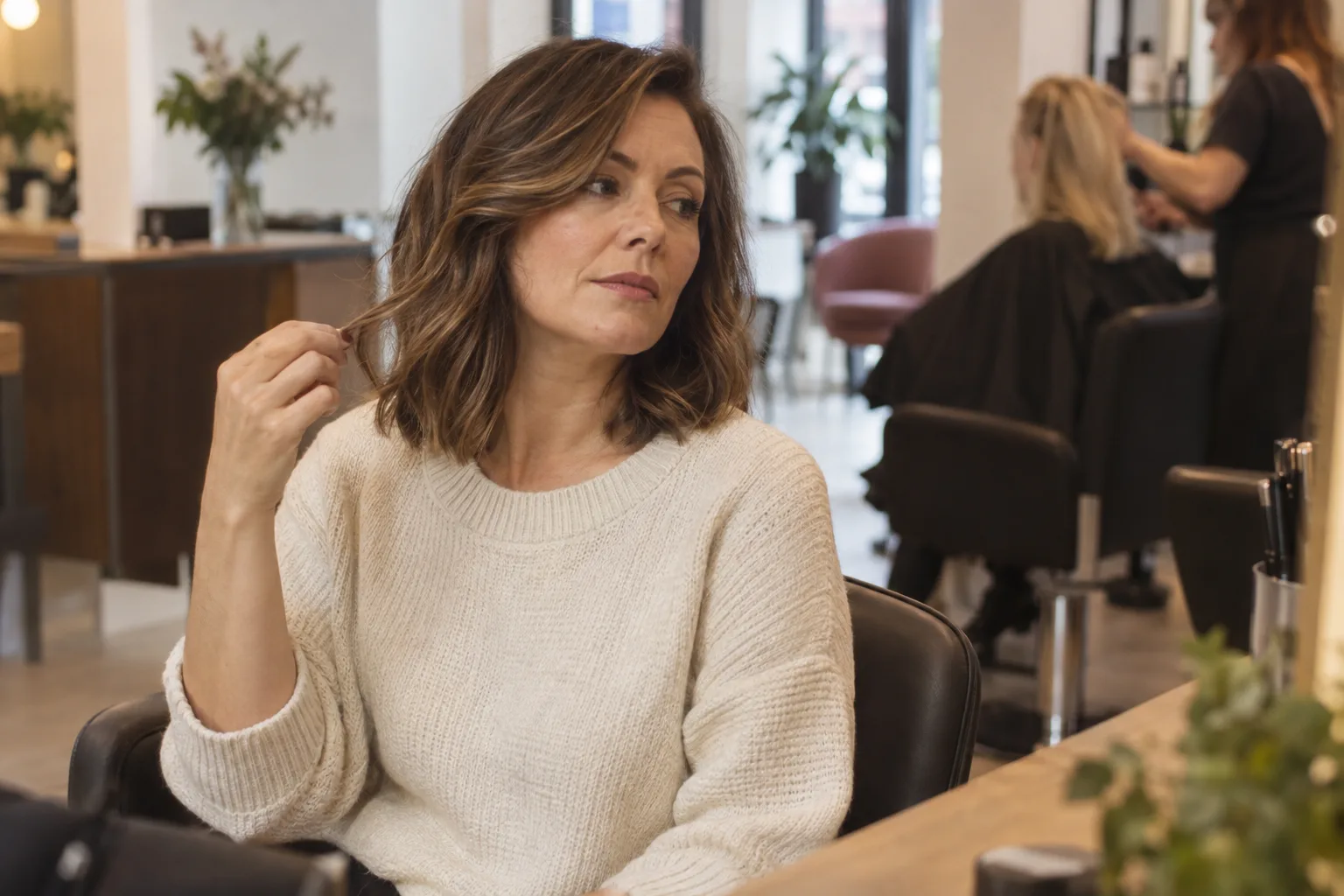
A bob’s apparent length depends partly on texture. Waves and curls can sit higher when dry than they do when wet or stretched, so the finished position needs discussing in your usual styling state. A photograph of a smooth, straight bob cannot show precisely where the same cut will land on differently textured hair.
Shoulder contact also matters. Ends that meet the shoulders can turn outwards, which explains why a longer bob may refuse to stay neatly tucked under. We would treat that as a styling choice to work with, not automatically a problem to correct. Moving the length above or below that contact point can change the result.
Then there is the outline. A blunt perimeter gives a defined edge; layering changes how weight is distributed and how the hair moves. Ask where the layers will start and what they will do when your hair is left to dry naturally. More texture does not automatically mean less styling.
Your colour will move with the cut
A shorter cut can remove a substantial amount of previously lightened hair, particularly when brightness is concentrated towards the ends. That can make the finished look appear darker overall even though your root colour has not changed. Before cutting, ask which highlighted sections will remain and where the brightest pieces will sit.
Changing the parting can also reveal a different arrangement of highlights or grey roots. Settle on your usual parting before discussing face-framing colour. If you regularly swap sides, say so: the colour plan should account for both arrangements rather than only the salon finish.
For temporary grey coverage, style the parting first and follow the concealer’s instructions. Powder can suit small, targeted areas, while sprays may suit broader root sections. Application distances and drying requirements vary. Keep products away from eyes, and never use a hair-root concealer on eyebrows.
What people are saying
Much of the appeal of bob language lies in the promise it suggests: relaxed, polished, playful or easy. Our view is that those words describe a finish, not a reliable maintenance schedule. A softly tousled photograph might still involve careful drying, while a clean outline can look different after sleeping on it.
We rate a longer bob as a useful starting point for anyone hesitant about a big cut because it leaves more length to work with. That is not a guarantee of effortless styling. Ask to see how the front behaves when tucked behind the ears, and check whether your preferred clip can actually hold the shape.
For an existing bob, our first styling experiment would be a side parting. Try it while the roots are damp so you can redirect the hair as it dries. Start with a modest shift rather than forcing a very deep sweep against the way your hair naturally sits.
A wispy fringe deserves its own conversation. Lighter-looking pieces can still need regular reshaping and morning attention, particularly where the front naturally separates. Ask your stylist to show you a simple drying technique and explain the likely upkeep before committing.
It also helps to separate shine and movement from the cut itself. When looking at brunette waves for salon inspiration, note which details come from styling. You can ask for a soft bend without asking your stylist to reproduce every element of the photograph.
What happens next
Build a consultation brief you can use
Bring a picture you like and one showing something you want to avoid. Explain the difference in plain terms: too rounded, too short at the front, too much fringe or too much styling. This gives your stylist a more practical brief than a collection of attractive but contradictory photographs.
Arrive wearing your hair as you usually do if possible, and describe your actual drying routine. Five minutes with a dryer and a brush is a different brief from a full section-by-section blow-dry. Mention scarves and high collars if they regularly push your current ends out of place.
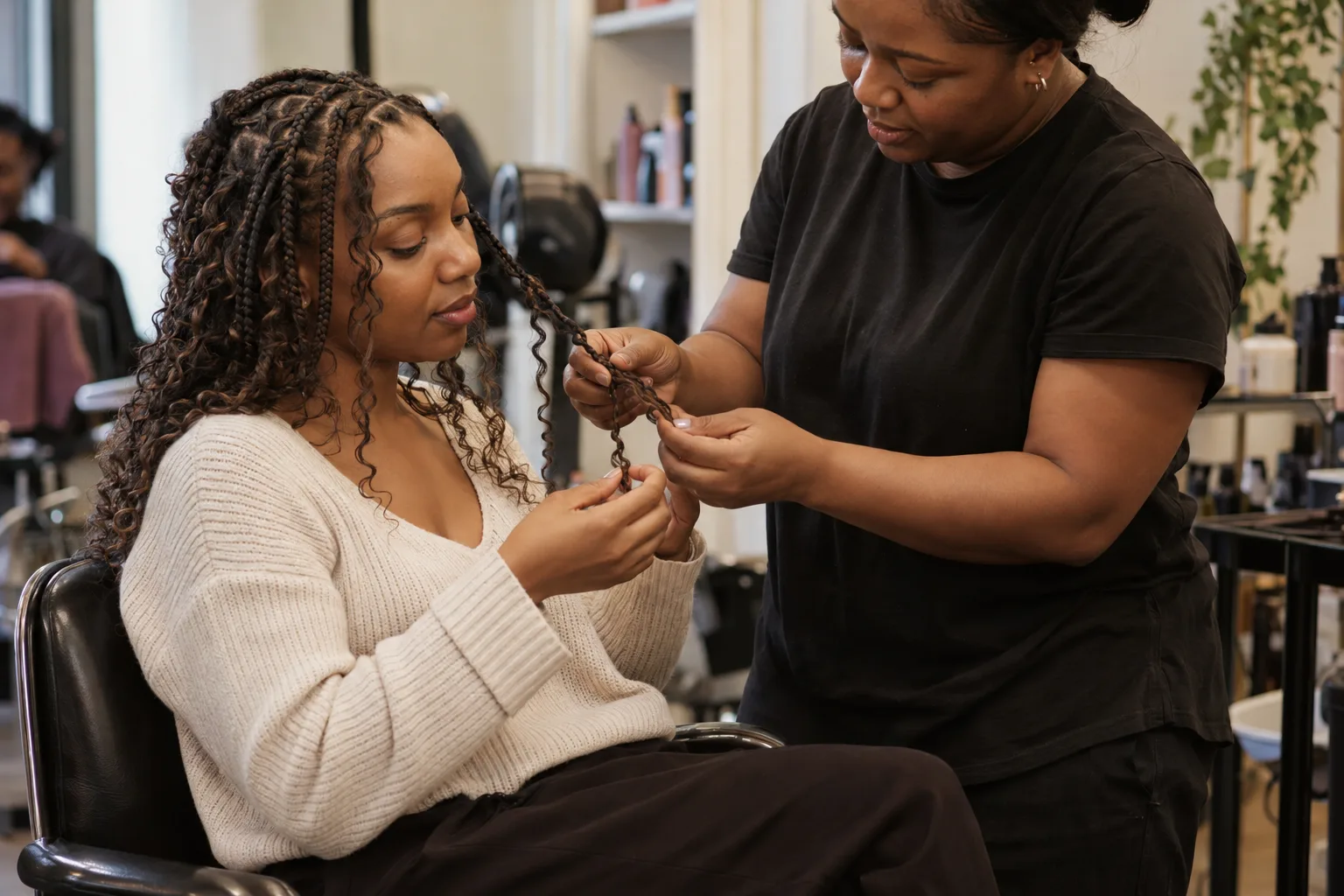
Check what the appointment includes before booking. As with planning a goddess-braids appointment, agreeing the service in advance helps avoid mismatched expectations. For a bob, clarify whether a major restyle needs a different slot and whether colour requires a separate consultation.
Ask for the everyday finish
Before leaving, practise the one technique that makes the biggest difference to your chosen shape: directing the fringe, turning the ends or setting the parting. If heated tools are involved, use an appropriate heat protectant and follow the tools’ instructions. You need a repeatable method, not just a photograph of the finished result.
Finally, agree what happens as the shape grows. Ask how often your chosen outline is likely to need tidying, how fringe appointments work and whether you want to maintain the length or gradually grow it out. That turns an autumn haircut into a plan you can budget for, rather than an open-ended salon commitment.
Related: The Princess of Wales’ high ponytail: a softer way to wear it
Why this matters
For UK readers balancing salon costs with everyday styling time, the best bob is one whose upkeep has been discussed before the scissors come out. Take your usual clip, explain how you dry your hair and ask which coloured ends will disappear with the cut. If you are not ready to lose length, start by comparing finishes, such as the two brunette wave looks in our salon guide. A clear brief gives you more control than choosing a fashionable name alone.
Common questions
- What are the autumn bob haircuts for 2026?
- Options include the lob, dad bob, cropped bob and French bob, alongside preppy flicked ends, wispy fringes and side partings. Some describe the cut; others are styling details you can combine with different lengths.
- What is the difference between a lob and a dad bob?
- A lob is a long bob, while a dad bob describes a weightier, more rectangular shape between the chin and collarbone. The terms can overlap, so agree the exact length and outline with your stylist.
- Can I still tie my hair up with a bob?
- It depends on the length, particularly the shortest front sections. A longer bob leaves more hair to gather, but the name alone does not guarantee a ponytail. Tell your stylist that tying it back is essential before cutting.
- Why does my bob flick out at the ends?
- Ends can turn outwards when they meet your shoulders. You can make that flick part of the styling or discuss a length that sits above or below the contact point with your stylist.
- Will cutting a bob change how my highlights look?
- Yes, removing lightened ends can change the overall colour balance and make hair look darker. Ask your stylist which bright sections will remain and where they will sit in the finished cut.
- How do I change my bob to a side parting?
- Try moving the parting while your roots are damp, then direct the hair as it dries. Begin with a small shift rather than a deep sweep that works against your hair’s natural direction.
- Should I apply root concealer before or after making my parting?
- Set your parting first, then apply the concealer according to its instructions. Powder can suit targeted areas and sprays broader sections. Follow drying requirements and keep hair-root products away from eyes and eyebrows.
About the writer
Priya NairSalon & Beauty Writer · Birmingham
Priya brings salon know-how and clever beauty hacks.
More from PriyaSources
This article is original reporting by The Colour Edit based on the sources above. Last reviewed 9 October 2026. Product mentions are editorial unless clearly marked as sponsored.