Hair Colour & Trends
Billie Eilish's strawberry blonde bob: why we rate it
The singer’s warm-toned bob makes a convincing case for peach-gold blonde, with a few practical considerations before you book.
By The Colour Edit Editorial Team
Published · 6 min read
Quick answerBillie Eilish’s strawberry blonde bob pairs a light blonde base with soft copper warmth. We rate it as a reference for anyone wanting a peachier blonde, but the salon plan should depend on your starting colour and previous dye.
Billie Eilish has shared a selfie showing a strawberry blonde bob, bringing a softer, warmer colour into her repertoire of dramatic hair changes. The photograph appeared among personal snapshots on social media, rather than as a formal beauty announcement. For our Hair Colour & Trends edit, the appeal is the balance: recognisably blonde, with enough copper to give it character.
Our take is that this works best as a colour reference, not a prescription. A peach-gold blonde can look quite different on another head of hair, particularly when the starting point is dark or already dyed. The useful question is not simply how to copy Eilish, but which part of the look you actually want: its lightness, its warmth or its compact shape.
What happened
Eilish’s selfie puts a pale, reddish blonde in view, a departure from the black hair and contrasting red roots she has worn previously. Her colour history also includes platinum blonde. This look occupies a different space from either extreme: it has warmth throughout rather than relying on a sharp contrast between the roots and lengths.
The bob matters because colour and outline are read together. A shorter shape concentrates the shade around the face and neck; the same tone through waist-length hair would create a different overall impression. That does not mean you need the haircut to borrow the colour. Treat those as two separate decisions at a consultation.
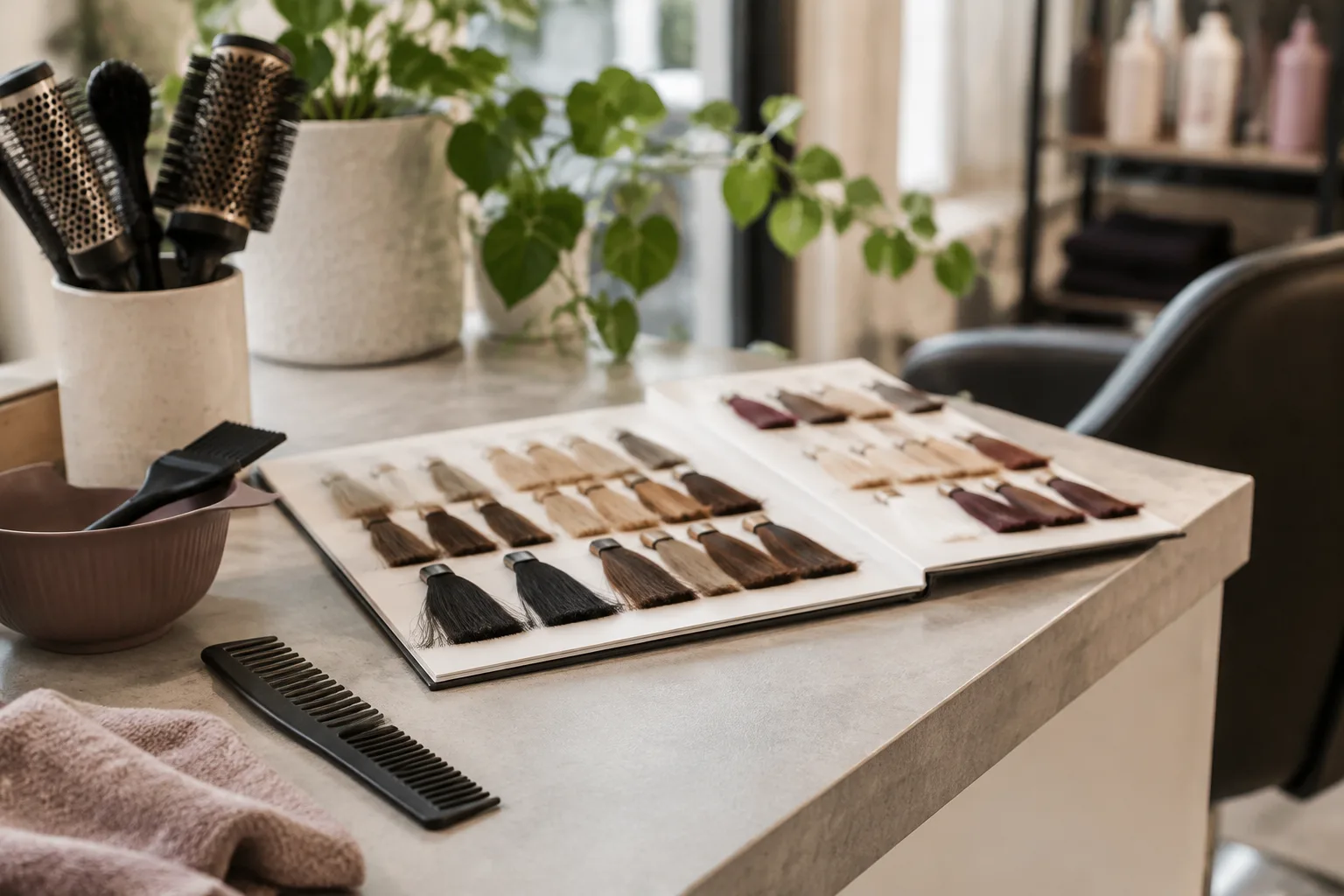
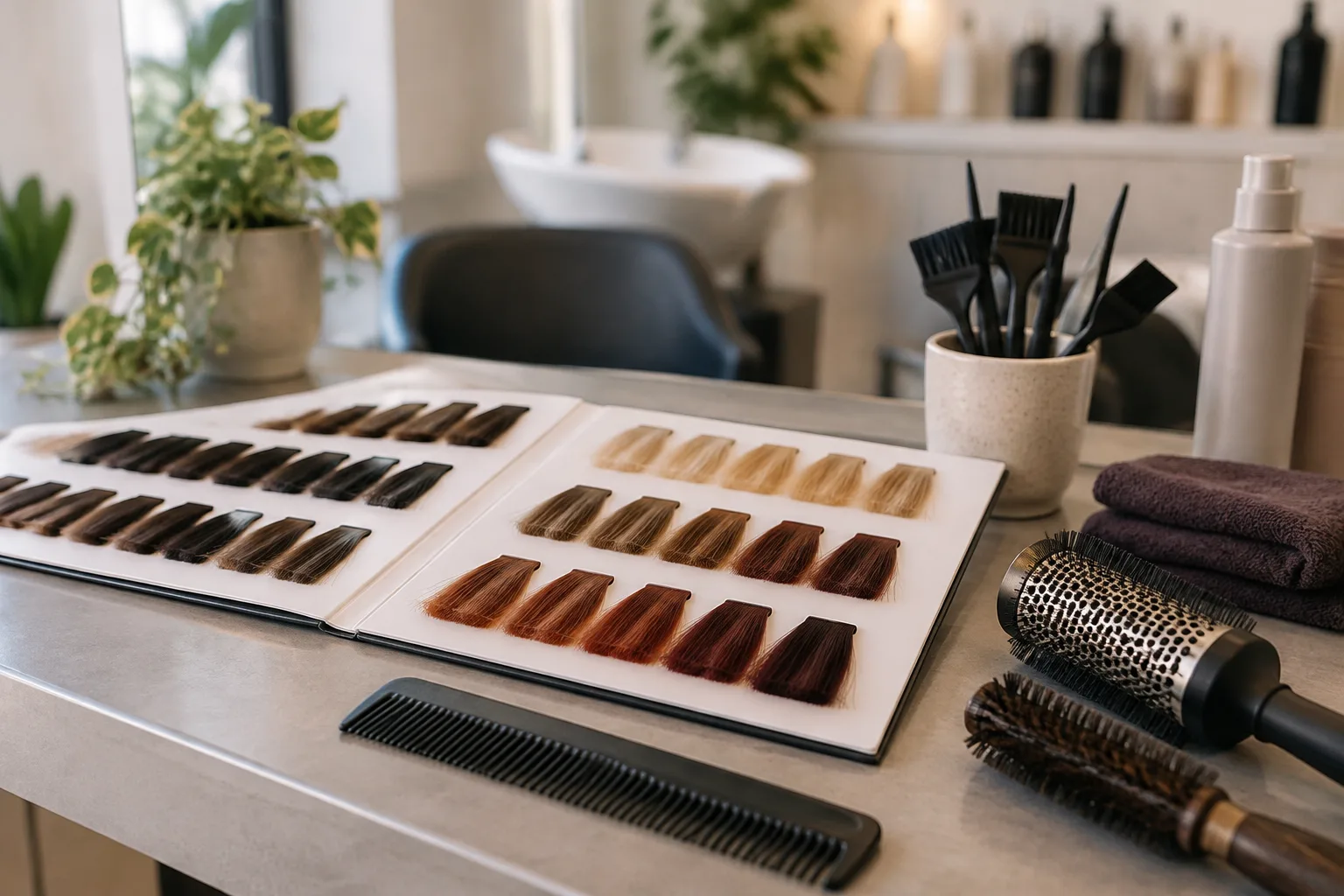
A photograph is a useful starting point, but not a colour formula. Lighting, surrounding colours and screen settings can all change how much pink, gold or orange you perceive. Save the reference, then compare it with physical shade swatches at the salon rather than asking a colourist to reproduce your phone display exactly.
For another way to separate the cut from the colour, our take on Jessica Chastain’s blonde bob explores why both choices deserve their own conversation.
The background
What makes blonde “strawberry”?
Strawberry blonde is a descriptive colour name, not one universal salon formula. It generally means blonde with a red or copper undertone, often alongside gold. Increase the copper and the result looks more obviously red; reduce it and the effect sits closer to warm blonde. That range is why two people can request strawberry blonde and imagine noticeably different results.
Auburn usually describes a deeper, red-brown shade. The distinction is useful when choosing references: someone drawn to the richness of auburn may find a pale peach blonde too light, even though both belong to the warm-colour family. Ask to compare depth as well as tone, rather than selecting every reference because it looks vaguely coppery.
Your starting colour sets the route
On hair that is already light enough, a colourist may be able to introduce warmth with a toner or another depositing colour service. A darker starting shade can need lightening first. Previously dyed hair adds another consideration because artificial pigment does not necessarily lift like natural colour; applying a lighter dye over dark dye will not reliably produce a lighter blonde.
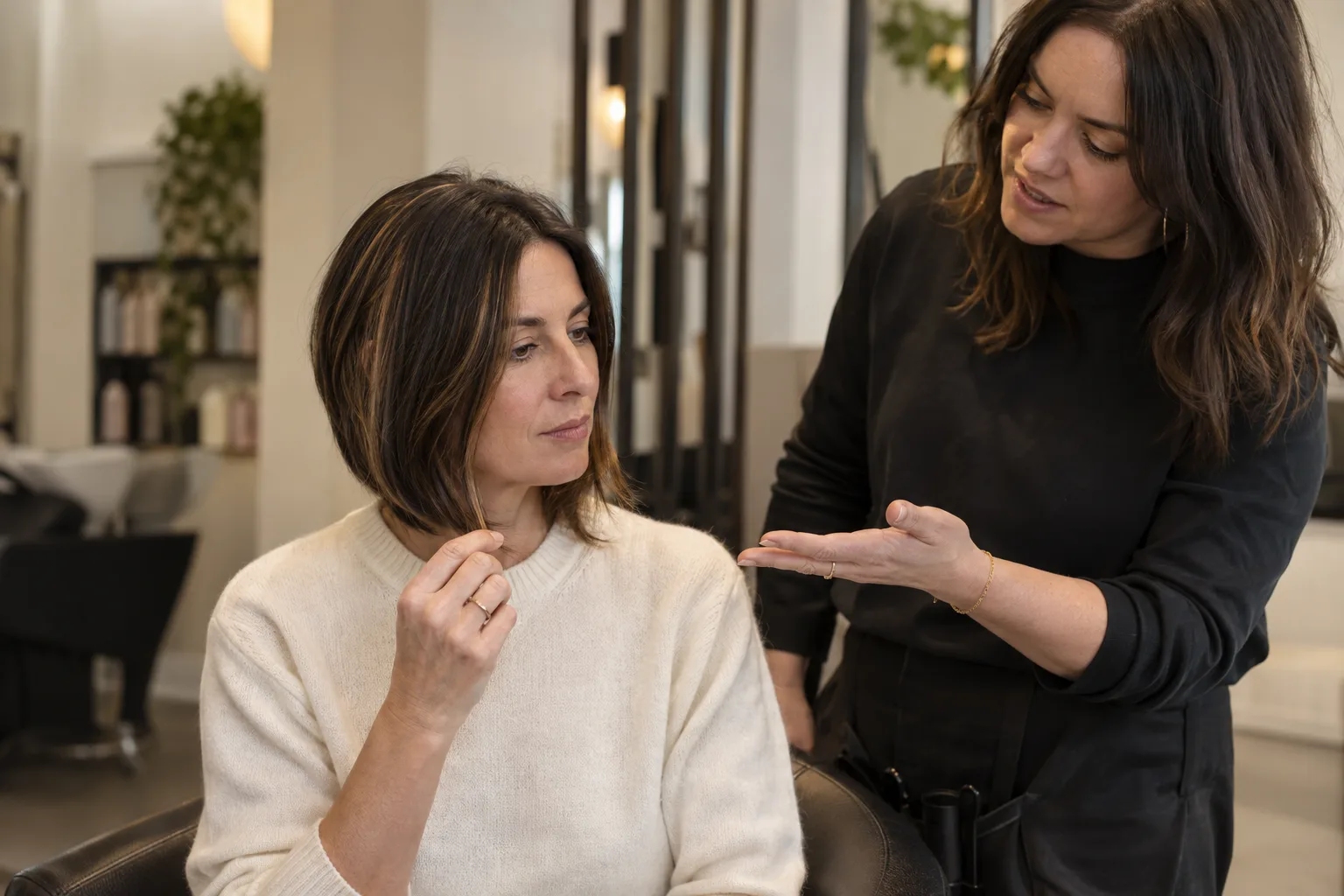
Bring a clear account of previous colour, including home dye and colour-depositing masks. A strand test can help the colourist assess the likely result before committing to the full service. Be prepared for a staged plan if the target shade is a substantial departure from your current colour, rather than assuming a bob makes the transformation straightforward.
The placement can also be adjusted. Fine warm highlights through a deeper base offer a different effect from an all-over strawberry blonde, leaving more of your original depth visible. Our guide to Verity’s brunette waves and their salon reference points is another useful starting point for thinking about colour dimension rather than one flat shade.
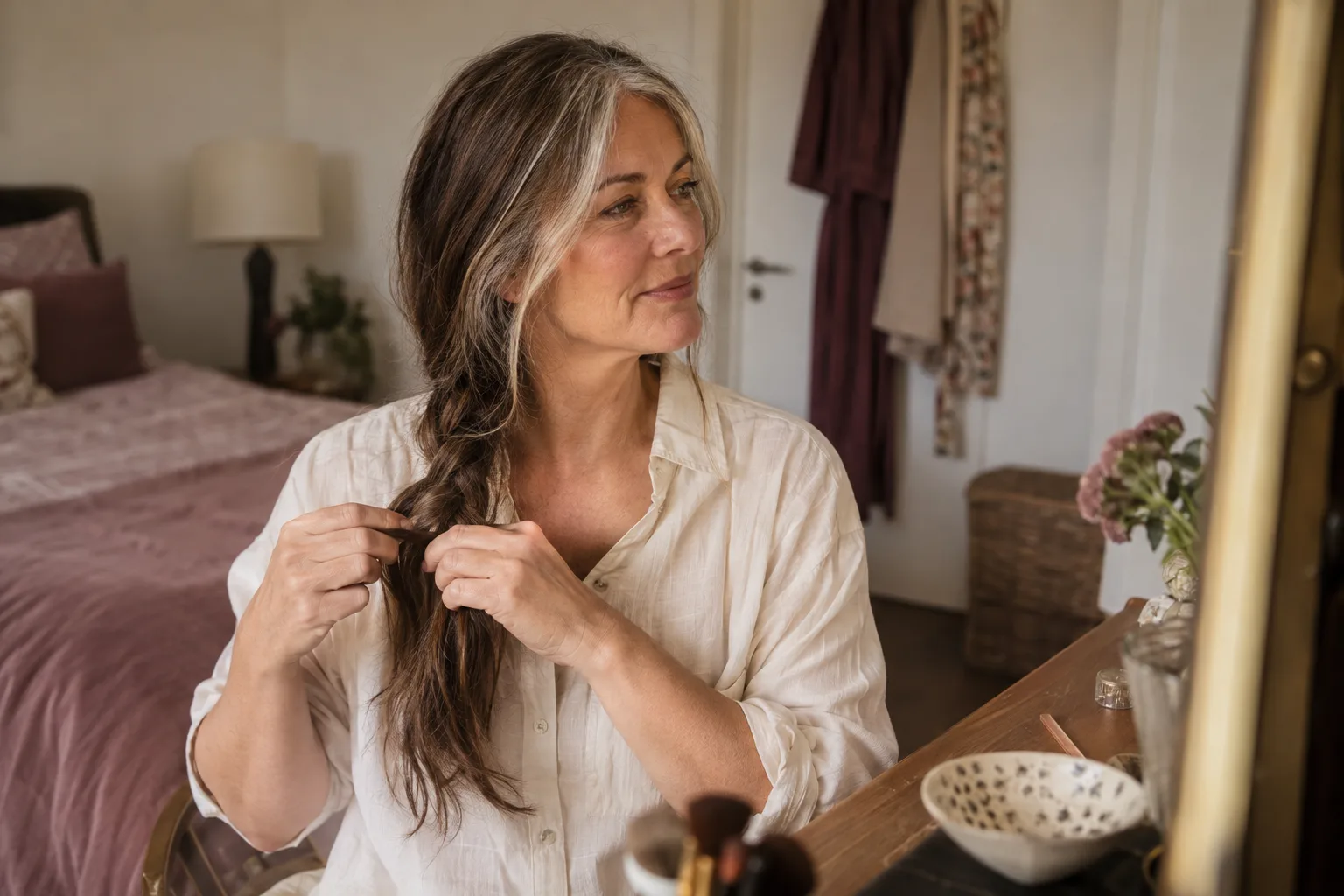
Grey coverage is a separate part of the brief. Some colour services soften the contrast between grey and pigmented strands without creating opaque coverage. Tell your colourist if your priority is hiding greys, blending them or leaving them visible; those goals should influence the formula and placement, not be added as an afterthought.
What people are saying
Our verdict: the most interesting part of Eilish’s look is not that it is another transformation. It is the space between blonde and copper. We rate that middle ground because it offers a clear change in colour character without requiring the visual intensity of a saturated red.
There is no need to turn that preference into a rule about who can wear it. Skin undertones can help guide a consultation, but they are not a pass-or-fail test. Hold different swatches near your face and consider the overall effect with the clothes and make-up you normally wear. A colour you enjoy in your everyday wardrobe is a more useful target than an abstract seasonal category.
Nor does a celebrity bob establish one compulsory haircut. A blunt perimeter, a fringe and face-framing layers all alter how a short cut looks and behaves. Discuss your usual drying routine and preferred parting before agreeing on the shape. Our guide to choosing a bob by its shape rather than its label helps turn a saved photograph into a more specific request.
We would also resist calling warm blonde automatically low-maintenance. Upkeep depends on the contrast with your natural roots, the colour service used and how the lengths hold pigment. The better measure is whether the result still looks intentional to you between appointments, not whether the name sounds soft or effortless.
What happens next
Make the consultation practical
Take one reference you like and one that feels too orange, too pink or too pale. Explaining what you do not want can be more precise than repeatedly asking for a “natural” result. Ask the colourist to outline the initial service, any likely follow-up and the cost of maintaining both the shade and the cut before you commit.
At home, keep tone maintenance specific. Purple shampoo is designed to counter yellow tones; it is not an automatic requirement for every blonde, especially when gold is part of the intended finish. Check before using it on a strawberry shade. Equally, a copper-depositing conditioner can add more red than you wanted, so follow the directions and test a discreet strand first.
Colour can shift with washing and exposure to sun and heat. Follow your colourist’s care advice, avoid unnecessarily high styling temperatures and use an appropriate heat protector when heat-styling. If the shade changes, photograph it in similar daylight before your next appointment; that gives you a clearer comparison than pictures taken under different indoor bulbs.
Keep root touch-ups proportionate
If you want temporary coverage along the parting, choose a root concealer by comparing it with the hair immediately beside the roots. Shade names vary, and a generic blonde may look too beige beside copper-toned lengths. A powder allows targeted application; a spray can cover a wider area. Neither changes the underlying colour or lightens dark regrowth.
Apply according to the product directions, starting sparingly and keeping sprays away from the face. Check the result once it has settled before adding more. If you choose permanent home colour instead, follow the allergy-alert testing instructions every time and avoid repeatedly overlapping dye onto previously coloured lengths. A temporary disguise and a lasting colour change are different jobs.
Why this matters
For UK readers weighing up a salon change, the useful takeaway is to budget for the colour journey, not just the first appointment. Ask what strawberry blonde would require on your existing hair, how visible your roots would be and which upkeep you can realistically manage. If grey blending is part of that decision, our guide to long grey hair and colour placement offers another direction to discuss. You can borrow Eilish’s warmth without committing to her exact depth or haircut.
Common questions
- What colour is Billie Eilish's new bob?
- Her shared selfie shows a strawberry blonde bob: a light blonde shade with soft copper or red warmth, rather than an icy platinum finish.
- What is the difference between strawberry blonde and auburn?
- Strawberry blonde is generally a blonde shade with red or copper undertones, while auburn is typically a deeper red-brown. Both are warm colours, but their depth differs.
- Can dark dyed hair go strawberry blonde?
- It can, but it may need lightening and a staged salon plan. A lighter dye will not reliably lift existing dark dye, so previous colour and strand testing matter.
- Do you need purple shampoo for strawberry blonde hair?
- Not automatically. Purple shampoo counters yellow tones, while strawberry blonde often deliberately includes gold. Ask your colourist before using it so you do not work against the intended warmth.
- Can strawberry blonde blend grey hair?
- A suitable colour service can soften the contrast between grey and pigmented strands. Blending is different from opaque coverage, so tell your colourist which finish you want.
- How do you cover roots on strawberry blonde hair?
- Use a temporary root concealer matched to the surrounding hair, following its directions. Powder suits targeted areas, while spray can cover a wider section; neither lightens dark roots.
- What should I ask my colourist for with strawberry blonde?
- Discuss both depth and warmth, using references that show what you like and dislike. Ask about your starting colour, previous dye, grey coverage, likely follow-up appointments and maintenance costs.
Sources
This article was written by The Colour Edit using the sources listed above.